

Blog Posts

About Deerwalk Training Center
By: Roshan Khadka • Date: 2023-09-03
We are proud to be recognized as a premier training institute in Nepal, offering specialized courses in Java and Python programming languages, as well as comprehensive data analytics-based computer courses. Our curriculum is meticulously designed to cater to the evolving demands of the industry, and we continuously update our course offerings to reflect the latest developments in the field of technology. At our institute, we strive to provide a conducive learning environment that fosters a passion for technology and encourages innovation. Our team of seasoned professionals are highly experienced in their respective fields and possess a wealth of knowledge and expertise that they are eager to share with our students. We strongly believe that continuous learning and professional development are key to personal and organizational growth. Our mission is to empower individuals to unlock their full potential and to equip them with the skills and knowledge necessary to succeed in their careers. We are dedicated to helping our students develop the tools and mindset they need to tackle real-world challenges and make a meaningful contribution to their respective industries.

Why Deerwalk Compware
By: Sachit Ghimire • Date: 2023-11-20
Deerwalk Compware is an excellent choice for both technology and management interestedstudents. The institution offers computer science and software engineering courses as well asmanagement courses that equip students with the knowledge and skills needed to manageprojects and teams effectively in the technology industry. These courses complement each other,providing students with a well-rounded education that prepares them for various roles in theindustry. With a focus on practical learning, critical thinking, and problem-solving skills,Deerwalk Compware provides students with a comprehensive education that prepares them forsuccess in the technology and management industries.
What is Artificial Intelligence and How Does It Work?
By: Krisha Sainju • Date: 2024-10-25
The phrase "artificial intelligence" (AI) may be familiar to you. Although it sounds like something from a distant future, AI is now here and rapidly altering the way humans perceive the world. Artificial intelligence (AI) is present in many aspects of our lives, from Siri's advice to Netflix's list of our favorite shows. But what exactly is AI, and how does it manage to accomplish all of the previously listed tasks? In this blog, we'll define artificial intelligence (AI), describe how it works, and discuss why it's fast emerging as one of the most revolutionary technologies of our time. So, what is Artificial Intelligence, anyway? In theory, artificial intelligence (AI) can be defined as the creation of computer systems that can perform tasks that ordinary humans can do, such as decision-making, problem-solving, learning, language processing, and the ability to even recognize visual patterns, which are some of the tasks that include decision-making, while in simple terms, AI is the ability of machines to resemble human intelligence. Computers are mechanically programmed to perform a single task, but AI gives computers the ability to reason, learn, and even make judgments more quickly and correctly than humans can. AI is the science that involves creating systems that can solve problems and adapt to new knowledge and help people in executing tasks. For example, recognizing your face in a picture, giving driving directions, and selecting the perfect music for your workout. Types of AI AI are specifically divided into three types:Narrow AI: Have you ever used a chatbot for customer service? That is called a narrow AI. Narrow AI is the most common type of AI and is made to perform specific tasks. For example, virtual assistants like Alexa, recommendation engines on websites like YouTube, and autonomous systems like self-driving automobiles. It is limited to the tasks for which it is programmed.General AI: General AI is the ability of an AI to learn and reason for itself. In simpler terms, it is an AI that is capable of thinking. Although it is still only a theoretical idea that has not yet been developed, researchers are working toward it, and if this is successful, general AI would be able to learn new tasks and find solutions to complex issues on its own.Artificial Superintelligence: Superintelligence AI is just a hypothetical and futuristic idea for now in which it is predicted that AI could outperform humans in all domains, including creativity, decision-making, and emotional intelligence. How Does AI Work? Now that we have discussed the general concept of AI above, let us jump into how AI actually works. AI is powered by a combination of advanced algorithms and massive amounts of data. The different technologies behind how AI works are explained below:Machine Learning: Machine learning is like teaching computers to learn from experience. The more information you give to the system, the smarter it becomes. In this way, your favorite streaming app, such as TikTok or Instagram, knows just what you’ll like based on what you’ve watched before.Deep Learning: Deep learning is an advanced form of machine learning that uses neural networks and algorithms inspired by the human brain's structure. A simple example of deep learning could be Google Photos recognizing your face on a group picture. Natural Language Processing: Natural Language Processing enables machines to understand, interpret, and respond to human language. It is because of NLP, Alexa, or Siri that understands your voice commands and enables chatbots to carry on a conversation and perform real-time language translation.Computer Vision: Computer Vision enables AI to interpret and make decisions based on visual data. It is used in applications like autonomous vehicles, facial recognition systems, and medical imaging. The Future of AI Artificial intelligence is evolving rapidly, unlocking both opportunities and challenges for its future. AI may even outsmart humans and change entire industries by helping to develop smarter cities, the mitigation of climate change, and the advancement of medical research. However, the demand for ethical standards is growing along with the advancement in AI. So, how can we make sure AI is applied responsibly? How can we avoid prejudice in AI systems and safeguard the privacy of user data?

Is Python or Javascript better for Full stack development?
By: Rishab Pandey • Date: 2025-08-29
Is Python or Javascript better for full-stack development?In the world of coding, Python and JavaScript are two of the most widely used languages. Learning Python and JavaScript is going to be a huge help to you if you want to go into the world of coding and become fully immersed in it. You should read this article if you want to learn about the differences between Python and JavaScript. Although each of these languages are powerful and widely spoken, they differ greatly.What is Python?Python is an essential tool in almost every scientific application worldwide due to its strength and adaptability. A wide range of programming paradigms can be supported by this general-purpose programming language. It is used in a variety of fields, including machine learning, data science, biology, medicine, computer science education, computer vision, image processing, and even astronomy. Additionally, webpages are made with it. Python is used in back-end development, the area of web development that produces components that are invisible to consumers, such as an application's server side.What is JavaScript?JavaScript is a strong and flexible programming language that is mostly used to make dynamic and interactive web content. A key component of contemporary web development, JavaScript was first introduced in 1995 and allows programmers to create responsive user interfaces, manage events, and dynamically alter the content of online pages. Web browsers can comprehend JavaScript, which makes it perfect for client-side programming, unlike languages that need compilation. Programming paradigms such as imperative, functional, and object-oriented are supported by this high-level, lightweight language. Developers can now create server-side apps, APIs, and more thanks to tools like Node.js, which have broadened JavaScript's environment beyond the browser.Comparison of Python and JavaScript for full stack developmentS.N.Point of ComparisonPythonJavaScript1Ease of LearningEasy to learn.Slightly difficult to learn.2FrameworksDjango, Flask, FastAPI, etc.React, Angular, Vue.js3ExecutionRequires an interpreter.Interpreted directly by browsers.4ConcurrencySupports concurrency.Supports asynchronous programming.5ScalabilityScalable for CPU-intensive tasks.Scalable for I/O intensive tasks.6Execution SpeedSlower execution speed.Higher execution speed.7PopularityData-driven fields.Web development.8EcosystemStrong in Data Science, Machine Learning and AI.Dominant in Web Development (Frontend & Backend).9TypingDynamically typed.Uses TypeScript.ConclusionFor full-stack development, Python and JavaScript are both great options because they each have special advantages that meet the demands of various projects. Python excels in backend development because of its ease of use, plenty of libraries, and frameworks like Django and Flask. This is especially true for apps that need data processing, machine learning, or intricate server-side logic. However, JavaScript is the most popular full-stack option for web development, and with frameworks like React, Angular, and Node.js, it excels at both frontend and backend operations. The particular project objectives, developer experience, and the ecosystem most appropriate for the job all play a role in the decision between the two. Whichever language is used, it enables developers to create scalable, dynamic, and reliable web applications.

Why the Project Management Professional (PMP) Certification is a Game Changer for Project Managers in 2026?
By: Sujan Rijal • Date: 2025-12-26
As organizations navigate increasing complexity, rapid digital transformation, and global competition, the role of project managers has never been more critical. In 2026, employers are no longer looking for managers who simply track tasks and timelines they want strategic leaders who can drive value, manage uncertainty, and deliver results across diverse environments. This is where the Project Management Professional (PMP) certification stands out as a true game changer for project managers. Globally Recognized Validation of ExpertiseThe PMP certification, issued by the Project Management Institute (PMI), remains one of the most respected credentials in the project management field worldwide. In 2026, its global recognition continues to give certified professionals a distinct competitive edge. PMP demonstrates that a project manager possesses standardized, globally accepted knowledge and real-world experience, making them instantly credible across industries and international markets. Alignment with Modern Project Management PracticesProject management is no longer limited to traditional waterfall approaches. The latest PMP framework emphasizes hybrid, agile, and predictive methodologies, reflecting how projects are actually delivered today. This makes PMP especially relevant in 2026, as organizations increasingly adopt agile thinking, digital tools, and flexible delivery models. Certified professionals are better equipped to adapt to change, manage risk, and deliver value in fast-paced environments. Strong Career Growth and Higher Earning PotentialPMP certification continues to be strongly linked with career advancement. Employers often prioritize PMP-certified candidates for senior roles such as Project Manager, Program Manager, Delivery Lead, and PMO Manager. Studies consistently show that PMP holders earn significantly higher salaries than their non-certified peers. In 2026, as demand for skilled project leaders rises, PMP acts as a powerful salary and promotion accelerator. Proven Leadership and Strategic Thinking SkillsModern project managers are expected to be leaders, not just coordinators. PMP certification emphasizes stakeholder management, leadership, communication, and strategic alignment. This prepares professionals to influence decision-makers, manage cross-functional teams, and align projects with business objectives skills that are increasingly essential in executive and leadership roles.Increased Job Security in a Competitive MarketAs automation and AI reshape job roles, professionals with validated skills remain more resilient in the job market. PMP certification signals commitment to continuous learning and professional excellence. In 2026, organizations value PMP-certified managers because they reduce project failure risks and improve delivery success rates, making certified professionals more secure and in-demand. Versatility Across IndustriesOne of PMP’s greatest strengths is its industry-agnostic nature. Whether in IT, healthcare, construction, finance, education, or startups, PMP principles apply universally. This flexibility allows project managers to switch industries, explore global opportunities, and future-proof their careers without being limited to a single domain. A Strategic Investment in Long-Term Career SuccessEarning a PMP certification requires dedication, experience, and discipline but the return on investment is substantial. In 2026, PMP is not just a certification; it is a statement of professionalism, leadership capability, and readiness for complex challenges. For project managers aiming to stay relevant, competitive, and impactful, PMP is no longer optional it’s essential. Final ThoughtsAs project complexity increases and expectations evolve, the PMP certification continues to redefine what it means to be a successful project manager. In 2026, it serves as a powerful career differentiator, leadership enabler, and global passport to opportunity. For professionals serious about elevating their project management career, PMP truly is a game-changer.
US Healthcare & Data Analytics Training: Benefits, Skills & Career Opportunities
By: Shubham Belbase • Date: 2025-12-26
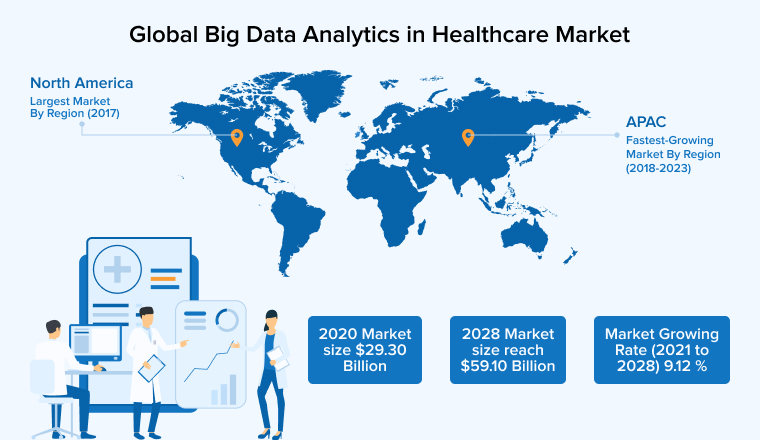
The U.S. healthcare system generates an enormous amount of data every day, and one of the most valuable sources of this information is insurance claims data. U.S. Healthcare Data Analytics, particularly in the context of claims data analytics, focuses on analyzing this data to support insurance companies in understanding costs, utilization patterns, and overall healthcare performance.For insurance companies, this data is critical for tracking expenditures, managing risk, identifying trends, and ensuring accurate reimbursement. Given the massive valuation of the U.S. insurance market—estimated at over USD 1 trillion annually—and the rapid growth of the insurance analytics market, valued in the multi‑billion‑dollar range and growing at a strong pace, the value of insurance data itself is equally significant, making claims data analytics not just important, but indispensable.Healthcare claims data analytics transforms this complex data into high-level, actionable insights that are easier to interpret and use. With the introduction of the Transparency in Coverage (TiC) rule, payers are now required to publish Machine-Readable Files (MRF) at scale, creating a vast and rapidly expanding data ecosystem. These insights are typically presented through graphical representations such as dashboards, charts, and trend visualizations.Fundamental US Healthcare and Data Analytics is an 80-hour program designed to bridge the gap between US healthcare domain knowledge and technical data engineering, spanning two months of daily theory and practical sessions. The curriculum begins by grounding students in the core components of the US healthcare system, specifically focusing on the structure and analysis of critical data files, including Eligibility, Medical Claims, Pharmacy, and Provider data. It further explores complex regulatory frameworks like Machine Readable Files (MRF) and benefit logic such as deductibles, coinsurance, and out-of-pocket costs, ensuring students understand the business context behind the data.From a technical perspective, healthcare claims and MRF data analytics rely on a modern data stack that supports large-scale processing and cloud-based analysis. Tools such as SQL and PySpark are used to manage and process high volumes of claims data, enabling the calculation of industry-standard metrics. Strong emphasis on Data Quality and cloud platforms like AWS (S3, Athena, Glue) ensures that insights are reliable, scalable, and delivered efficiently, aligning technical execution with the high-level, visual insights insurers depend on for decision-making.Benefits:Enhanced Career Prospects: Gain practical skills in claims and MRF data analytics through use of dummy data for better insights to work data. This course helps learners become highly marketable in healthcare data roles such as Data Analyst, Data Quality Control(QC), ETL Engineering etc. opening doors to positions in insurance analytics, healthcare consulting, and data-driven decision-making teams.Hands-On Technical Expertise: Learn to use SQL, PySpark, and AWS tools for handling real healthcare data. Participants will practice processing large datasets, writing queries, and implementing analytics pipelines, ensuring they can tackle real-world challenges in a professional setting.Comprehensive Domain Knowledge: Understand U.S. healthcare systems, rules, and claims data. Learners gain insight into healthcare operations, regulatory frameworks, and business logic, which helps them contextualize data and communicate insights effectively with stakeholders.Competitive Edge: Build a strong skill set to analyze complex healthcare data and stand out in the insurance analytics market. Graduates will have the confidence and expertise to handle large-scale datasets, provide strategic recommendations, and advance in a rapidly growing, high-value industry.Interaction with Experienced Trainers: Connect with trainers who have worked in the healthcare analytics field for multiple years. This allows trainees to gain practical insights, learn industry best practices, and receive mentorship that bridges theory with real-world application.Career Opportunities:Graduates can explore career opportunities in Nepal with multiple big companies such as Cedar Gate, Deerhold, Maitri Services, Verisk, Infinite,Codavatar and many more. These roles include positions in Data analytics, healthcare analytics, data quality, ETL engineering, Quality Control(QC) and Quality Assurance allowing trainees to apply technical skills and domain knowledge gained in the course. With the growing demand for healthcare data expertise, participants can also expect exposure to projects involving large-scale claims and MRF datasets, dashboards, and reporting, providing a strong foundation for long-term career growth in the Nepalese market and potential opportunities abroad.

Industry Growth in Nepal – Information Technology Industry
By: Prashant Manandhar • Date: 2025-12-26
As of late 2025, Nepal's IT industry is increasing at a healthy rate and hence establishing itself as a future technology destination in South Asia. Growth in Nepal's IT industry is being fueled by its youthful and educated population and is set to contribute NPR 3 trillion to Nepal's economy. As of now, even with modest advancement, Nepal's IT industry export value stands at about $515 million by 2025 and is set to increase from erstwhile levels. The industry is also expected to reach between exports of $2.2 and $2.5 billion within 5 to 6 years and even set a target of touching $5 to 6 billion by 2035 if certain policies are overcome by addressing infrastructure and bolstering regulation and support by respective government policies and interventions.Key Drivers of GrowthFactorDescription Talent Pool Over 10,000 IT graduates annually from universities and training programs, creating a cost-effective workforce for global outsourcing Startups and Innovation Rapid rise in tech startups, supported by incubators and venture funds like Dolma Impact Fund, focusing on AI, fintech, and e-commerceGovernment Support Policies promoting digital infrastructure, tax incentives for IT exports, and initiatives for broadband expansion. Digital Transformation Adoption of cloud and AI in traditional industries, with the IT services market benefiting from post-pandemic remote work trends. Global OutsourcingNepal's competitive labor costs and English proficiency ,attracting BPO and software development from the US, Europe, and India. Career Opportunities in the Information Technology Industry in Nepal The IT employment sector in Nepal represents a competitive and growing market with potential employment opportunities for as much as 1.5 million professionals by the end of the decade. As of December 2025, job postings from sites such as LinkedIn, JobsNepal, Merojob, and Kumarijob display dozens of employment opportunities—ranging from entry-level to mid-level employment opportunities. Nonetheless, recent comments from IT-related discussion platforms indicate a minor delay in hiring occasions with companies being quite particular about the candidates for entry-level work opportunities. Sites such as “IT Jobs Nepal (Vacancy)” on Facebook and JobAxle are widely used for networking purposes and employment opportunities. Salary ranges depending upon experience: Entry-level positions (such as junior developers) are NPR 30,000-50,000 per month, and mid-level positions NPR 80,000-150,000, with seniors and experts going well beyond NPR 200,000, especially for multinationals. Most job opportunities are found around the Kathmandu Valley, though telecommuting options are rapidly improving. A degree is not a necessary criterion, and certifications like AWS Certified Developer, CCNA, and startups like boot camps, since a lot of technical expertise is required. Another opportunity available for Nepali IT experts is that of freelancing, since this provides them with international exposure. Thus, the IT industry holds bright job prospects for those with the necessary skill set.

Quality Assurance in Nepal: Career Opportunities and Future Outlook
By: Aashika Basnet • Date: 2025-12-26
1. IntroductionQuality Assurance (QA) ensures products and services meet high standards. In Nepal’s booming tech landscape, QA has become a fast-growing and promising career path.2. What is Quality Assurance?Quality Assurance (QA) involves systematic processes to guarantee products satisfy quality requirements, particularly in software development and IT services.3. QA Career Landscape in NepalNepal’s IT industry, especially in cities like Kathmandu, Lalitpur, and Pokhara, is increasingly adopting QA teams to maintain product quality and reliability. These roles span from manual testers to automation engineers.594. Types of QA RolesManual QA Tester – Checks functionality step-by-stepAutomation QA Engineer – Writes scripts to automate testsPerformance/Load Tester – Ensures software scales well5. Skills & Tools in DemandTechnical Skills:- Knowledge of testing tools (Jira, Selenium, Postman)- Basic scripting languages (Python, JavaScript)Soft Skills:- Problem-solving- Attention to detailCareer progression often moves from junior QA → automation specialist → QA team lead.6. Career Opportunities in NepalExamples of real QA job openings in Nepal:✔ Junior QA Engineer (e.g., F1Soft Group)✔ QA Engineer roles in fintech and IT firms (e.g., Galli Express, eSewa)✔ QA internships and entry-level roles at SoftNEP and others7. Future OutlookIncreasing digitization and software-based services fuel QA demand. Remote QA opportunities with international firms are growing. QA skill growth via courses and certifications is on the rise.8. ConclusionQA in Nepal offers strong job prospects, room for specialization, and options across tech sectors. A career in QA is not only stable but also future-proof.

Why Python for Data Science and Machine Learning in Nepal?
By: Swayam Aryal • Date: 2025-12-29
Just like the word Apple instantly brings to mind the brand rather than the fruit, the word Python today is more likely to make you think of its iconic programming logo rather than a snake. Created in the late 1980s, Python’s popularity skyrocketed after 2010, both globally and in Nepal, thanks to its user-friendly nature and versatility across the IT industry. Among its many applications, Data Science and Machine Learning (DSML) stand out as some of the most relevant fields today and for the future, especially in a growing tech market like Nepal. You might have heard the phrase, “Data is the new oil.” In Nepal, this is increasingly relevant: every click on your phone generates data, and companies use this data to understand and serve their customers better. Data Science is the art and science of extracting meaningful insights from such data and applying them to benefit both businesses and customers. It combines logic, domain knowledge, and computer science to solve real-world problems, making it a critical skill in today’s data-driven economy. You may have also heard that “AI will automate most jobs.” Whether this comes true or not, AI is undeniably shaping the future of work. Within AI, one branch is seeing explosive growth both in Nepal and abroad, with jobs in this domain expected to increase almost tenfold in the next five years. This domain is Machine Learning (ML)—a branch of AI that allows computers to learn from data and make predictions without being explicitly programmed, enabling businesses and industries to make smarter decisions faster. While exact numbers are hard to come by, industry observations suggest that a significant majority of IT professionals in Nepal—roughly 80,000 people—work with Python in some capacity. Practically speaking, if you aim for a career in DSML, having Python on your CV is more strategy than hope. Python has become the preferred language because of its versatility, simplicity, and efficiency. It is a general-purpose language, capable of handling everything from data analysis and machine learning to web development, automation, and deployment. Its closest competitors, such as R and C++, lack this breadth in Nepal’s context. While R is suited for deep statistical research, research-focused roles are limited locally, and C++, although powerful, is better suited for performance-critical systems rather than everyday DSML workflows.Python dominates Data Science and Machine Learning not just because it is easy to learn but also because of its clean syntax, which allows learners and professionals to focus on solving problems rather than wrestling with complicated programming logic. Its rich ecosystem of libraries—such as NumPy, Pandas, Matplotlib, Scikit-learn, TensorFlow, and PyTorch—makes data analysis, visualization, and model building faster, more reliable, and scalable. Backed by a strong community and widespread industry adoption, Python enables rapid experimentation and real-world deployment, making it the most practical and preferred language for DSML in Nepal and beyond.
Best Digital Marketing Practices for Sustainable Business Growth (With Examples)
By: Megan Kanauje Magar • Date: 2025-12-29
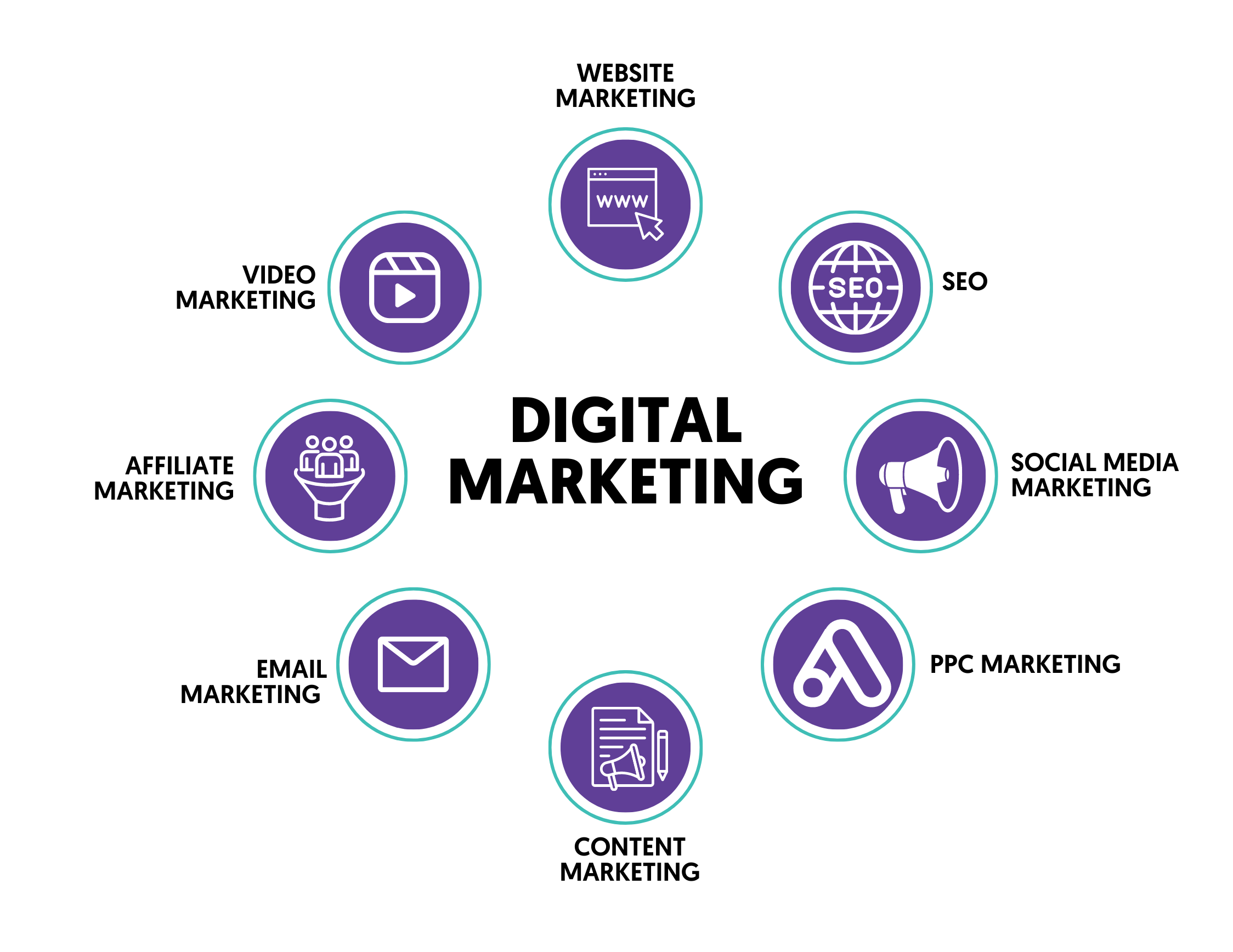
Many businesses invest heavily in digital marketing but fail to see long-term results. The reason is simple: they focus on short-term tactics instead of sustainable strategies. Sustainable digital marketing builds trust, consistency, and long-lasting customer relationships.This article explains the best digital marketing practices for sustainable growth, along with practical examples to help you understand how they work in real life. 1. Build a Strong Digital FoundationExample:A training institute redesigns its website to load faster, becomes mobile-friendly, and adds clear “Enroll Now” and “Contact Us” buttons. As a result, visitors stay longer and inquiries increase—without increasing ad spend.Why it matters:A good website converts traffic into leads. Without it, marketing efforts are wasted. 2. Clearly Define Your Target AudienceExample:Instead of promoting “IT courses for everyone,” a training center targets:College students for programming coursesWorking professionals for digital marketing classesEach group receives different ads and content, leading to higher engagement and enrollments.Why it matters:Right message + right audience = better conversions. 3. Create Value-Driven Content MarketingExample:A digital marketing institute publishes weekly blogs like:“How SEO Works for Beginners”“5 Digital Marketing Skills Companies Want in 2025”Students start trusting the institute as an expert and naturally choose it for training.Why it matters:Helpful content builds authority and trust over time. 4. Use SEO for Long-Term Organic TrafficExample:A business optimizes its website for keywords like “best digital marketing course in Kathmandu”.After a few months, it starts receiving daily inquiries from Google without running ads.Why it matters:SEO provides consistent, free traffic once established. 5. Apply a Strategic Social Media ApproachExample:Instead of random posting, a brand follows this strategy:Monday: Educational postWednesday: Student success storyFriday: Short tips reelEngagement grows steadily, and followers turn into customers.Why it matters:Consistency builds visibility and community. 6. Use Email Marketing to Nurture LeadsExample:A user downloads a free “Digital Marketing Guide.”They then receive:Day 1: Welcome emailDay 3: Free learning tipsDay 7: Course offerThis gentle nurturing converts leads into paying students.Why it matters:Email builds long-term relationships, not pressure sales. 7. Make Decisions Using Data and AnalyticsExample:Analytics shows that most users leave the website on the pricing page.The business simplifies pricing and adds FAQs, reducing drop-offs and increasing conversions.Why it matters:Data helps improve what’s not working. 8. Use Paid Advertising to Scale Proven StrategiesExample:A business runs ads only for:Users who visited the websitePeople who watched 50% of a videoThis retargeting approach reduces cost and improves results.Why it matters:Ads should amplify success, not replace strategy. 9. Build Brand Trust and AuthorityExample:A company regularly shares:Student testimonialsBehind-the-scenes classroom videosTrainer introductionsNew visitors feel confident and choose the brand over competitors.Why it matters:People buy from brands they trust. 10. Automate and Optimize Marketing ProcessesExample:A CRM automatically:Sends follow-up emailsAssigns leads to counselorsSchedules remindersThe team saves time and never misses a lead.Why it matters:Automation supports growth without burnout. ConclusionSustainable digital marketing is not about shortcuts or overnight success. It is about building systems, trust, and value over time. Businesses that invest in strong foundations, quality content, SEO, data analysis, and customer relationships experience steady and scalable growth.Short-term tactics may bring attention,but sustainable digital marketing builds strong brands.