

Our Courses

Schedule
Morning
Afternoon
Evening
DATA SCIENCE AND MACHINE LEARNING IN PYTHON
Course SynopsisThis course is targeted for beginners who want to learn how to think and write meaningful pieces of code or read codes written by someone else in Python. This course teaches how to map literary description of a problem (requirement) to an application/library coded in Python. This is a core basic level course that is essential for anyone who has no prior programming experience but wishes to be a professional Python engineer in future. Required Textbooks Chris Albon, “Machine Learning with Python Cookbook”, O’Reilly Media Inc. US.LazyProgrammer, “Deep Learning in Python”, LazyProgrammer, US.Oliver Theobald, “Machine Learning for Absolute Beginners”, Scatterplot Press. Completion CriteriaAfter fulfilling all of the following criteria, the student will be deemed to have finished the Module: Has attended 90% of all classes held.Has received an average grade of 80% on all assignment. Has received an average of 60% in assessments.The tutor believes the student has grasped all of the concepts and is ready to go on to the next module. PrerequisitesBasic knowledge about programming, bits/bytes, procedures, classes, computer architecture, etc. If you just have theoretical knowledge that is perfectly okay but you should have strong convictions on what programming is, and what you hope to achieve from this class.Willing and eager to spend at least 10-20 hours (Varying from student-to-student) per week outside of the training class to self-study and practice.There is no prior educational level requirement for this course. Anyone from 10+2 student to someone who is doing their PHD in Genetic Engineering is welcome to take this course.If you are only interested in theory and have no interest/patience in spending at least 10 hours every week throughout the duration of the course, then this course might not be for you.
Schedule
Morning
Afternoon
Evening
MICROSOFT POWER BI
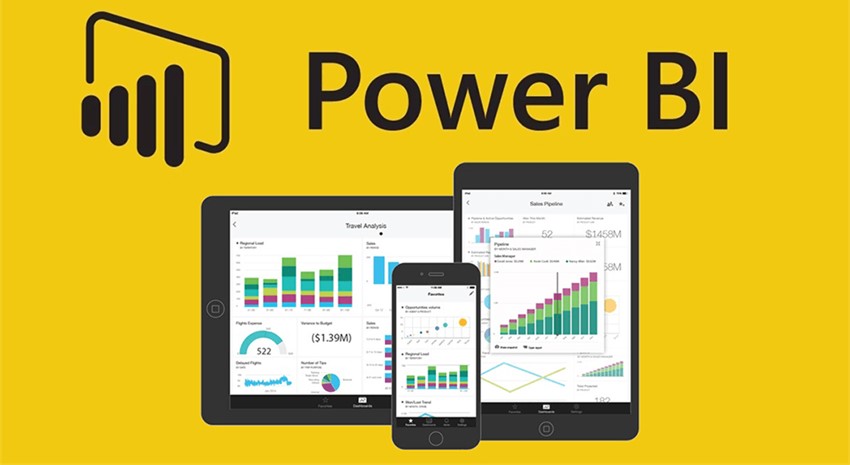
Course SynopsisPower BI is a quick and intensive data analysis tool. It is an affordable alternative to many BI tools existing in the market for the past years. It offers many features and does most of the job for its user by providing the best of data analysis tools. It does not require any knowledge of coding (maybe a little knowledge of SQL if used as a source to get data). Required TextbooksBrett Powell, “Mastering Microsoft Power BI”, Packt.Roger F. Silva, “Power BI: Create and Learn”, Business Intelligence Clinic. Completion CriteriaAfter fulfilling all of the following criteria, the student will be deemed to have finished the Module:Has attended 90% of all classes held.Has received an average grade of 80% on all assignments.Has received an average of 60% in assessments.The tutor believes the student has grasped all of the concepts and is ready to go on to the second module. PrerequisitesFundamental understanding of basic Mathematical concepts.If you are only interested in theory and have no interest/patience in spending at least 10 hours every week throughout the duration of the course, then this course might not be for you.Basic understanding of Database and Microsoft Excel will prove helpful.A strong will to learn.

Schedule
Morning
Afternoon
Evening
Fundamentals of US Healthcare and Data Analytics
Embark on a transformative journey through the fundamentals of US healthcare and data analytics in this three-month course, blending theory with practical applications for 2 hours daily. Explore crucial data components like eligibility, claims, pharmacy, and provider files, delving into MRF, SQL, MongoDB, PySpark, ETL techniques, and data quality considerations. The course concludes with an introduction to AWS services, empowering participants to master advanced data modeling and ETL techniques, ultimately leading to proficient use of AWS-driven data analysis and visualization tools.

Schedule
Morning
Afternoon
Evening
AI-augmented UI/UX Designing
Course SynopsisThe AI-Augmented UI/UX Designing course takes a design-centric approach to user interface and user experience design, providing practical, skill-based training oriented on visual communications rather than marketing or programming alone.This course will teach all aspects of the UI/UX development process, from user research to establishing a project's strategy, scope, and information architecture, to generating sitemaps and wireframes. Required TextbooksJoel Marsh, “UX for Beginners”, O’ReillyJenifer Tidwell, Charles Brewer and Aynne Valencia, “Designing Interfaces”, O’Reilly Completion CriteriaAfter fulfilling all of the following criteria, the student will be deemed to have finished the Module:Has attended 90% of all classes held.Has received an average grade of 80% on all assignments.Has received an average of 60% in assessments.The tutor believes the student has grasped all of the concepts and is ready to go on to the second module. PrerequisitesThere is no prior educational requirement for this course.

Schedule
Morning
Afternoon
Evening
ETHICAL HACKING & CYBER SECURITY WITH AI
Course SynopsisThis course covers cybersecurity, ethical hacking, attack phases, countermeasures, Bug Bounty Hunting, Penetration Testing, Forensics, and more. It provides insight into hacker mindset for enhancing security and safeguarding against future threats. By comprehending system weaknesses, organizations can bolster security to mitigate potential incidents. Required Textbooks Mary Aiken, “The Cyber Effect”, Random House.Peter Kim, “The Hacker Playbook 3”, Peter Kim.Helden Wong, “Cyber Security: Law and Guidance”, Bloomsbury Professional. Completion CriteriaAfter fulfilling all of the following criteria, the student will be deemed to have finished the Module:Has attended 90% of all classes held.Has received an average grade of 80% on all assignments.Has received an average of 60% in assessments. The tutor believes the student has grasped all of the concepts and is ready to go on to the next module. PrerequisitesBasic knowledge about programming, bits/bytes, procedures, classes, computer architecture, etc. If you just have theoretical knowledge that is perfectly okay but you should have strong convictions on what programming is, and what you hope to achieve from this class.Willing and eager to spend at least 10-20 hours (varying from student-to-student) per week outside of the training class to read/write codes in JavaScript (self-study and practice.There is no prior educational level requirement for this course. Anyone from 10+2 student to someone who is doing her PHD in Genetic Engineering is welcome to take this course.If you are only interested in theory and have no interest/patience in spending at least 10 hours every week throughout the duration of the course, then this course might not be for you.If you have absolutely no idea about programming or do not see yourself doing programming in the next six - odd months, then this class may not be for you!
Schedule
Morning
Afternoon
Evening
AI Powered Digital Marketing
AI-Powered Digital Marketing Training in Nepal Learn Digital Marketing, AI Tools, Ads, SEO & Freelancing with Hands-On Practical Training Job-Ready, Business-Focused & Fully Practical Program Become a skilled digital marketer by learning how to use AI + real marketing tools + real campaigns to grow businesses, get clients, and build your career. No theory overload. No confusion. Only practical skills you can actually use to earn and grow. What You Will Be Able To Do After This Training You will learn how to: ● Create marketing strategies for any business ● Run Meta & Google ads campaigns ● Write content, ads & captions using AI ● Design creatives using Canva ● Build websites & landing pages using WordPress ● Set up email marketing automation ● Grow Instagram, TikTok & LinkedIn organically ● Do SEO and improve Google rankings ● Start freelancing and get clients AI-Powered Marketing Skills (Future-Ready Training) You will master how to use AI for: ● Content writing & copywriting ● Ad creation & campaign planning ● Market & competitor research ● SEO keyword research ● Email writing & automation ● Creative image & video generation ● Faster marketing execution Work faster like modern marketers and agencies using AI tools. What You Will Learn (Modules Covered) ● Digital Marketing Strategy & Customer Psychology ● AI for Marketing & Prompting ● Content Marketing + Canva Design ● AI Content Creation (Images, Videos, Ads) ● Meta Ads & Paid Social Media Marketing ● Organic Growth & Personal Branding ● Email Marketing & Automation ● SEO & Analytics ● Google Ads ● WordPress Websites & Landing Pages ● Freelancing & Client Acquisition Who This Course Is For Perfect for: ● Students & freshers looking for jobs ● Business owners who want more sales ● Freelancers who want clients ● Working professionals upgrading skills ● Anyone starting a digital career No prior experience needed. Why This Training Is Different ✔ Learn by doing, not just watching ✔ Every module includes practical execution ✔ AI integrated into every marketing skill ✔ Real-world campaigns, not theory ✔ Focus on freelancing + job + business outcomes ✔ Step-by-step guided training Tools You Will Learn ● AI Tools ● Canva (design & creatives) ● Meta Ads Manager ● Google Ads ● Google Analytics & Search Console ● WordPress ● Email Marketing Tools (Mailchimp / Brevo) ● And Many More… Career After This Training After completing this course, you can: ● Get a job in digital marketing ● Start freelancing with real clients ● Run ads for businesses ● Build your own online business ● Work in marketing agencies Start Your Digital Marketing Career Today Digital marketing + AI is one of the fastest-growing skill combinations in the world. This training is designed to help you: Learn practical skills → get clients → build career → grow income Frequently Asked Questions (FAQ) – AI-Powered Digital Marketing Training in Nepal What is AI-Powered Digital Marketing Training? It is a practical training program where you learn digital marketing skills like ads, SEO, content, websites, and freelancing along with AI tools to work faster and more efficiently.Do I need any experience to join this course? No experience is required. You just need basic computer knowledge. Everything is taught from scratch in a simple, practical way. What will I learn in this training? You will learn content marketing, Meta Ads, Google Ads, SEO, Canva design, WordPress websites, email marketing, freelancing, and how to use AI in digital marketing. Can I get a job or start freelancing after this course? Yes. This training is designed to make you job-ready and help you start freelancing or work in digital marketing roles after completion. Will I learn AI tools in this course? Yes. You will learn how to use AI for content writing, ads, SEO, marketing strategy, email writing, and creative generation to speed up your work.

Schedule
Morning
Afternoon
Evening
SOFTWARE QUALITY ASSURANCE (QA)
Course SynopsisThe course is structured to assist students in learning key topics in Software Quality Assurance, such as software testing objectives, processes, criteria, strategies, and methodologies. The course also covers subjects like how to create test cases and test data, how to execute testing operations, how to manage software problems and defects, software test automation using real-world examples, and how to perform software security and performance testing. Required TextbooksSagar Naik and Piyu Tripathy, “Software Testing and Quality Assurance”, Wiley.Cem Kaner, Jack Falk and H.Q. Nguyen, “Testing Computer Software”, Wiley. Completion CriteriaAfter fulfilling all of the following criteria, the student will be deemed to have finished the Module:Has attended 90% of all classes held.Has received an average grade of 80% on all assignments.Has received an average of 60% in assessments.The tutor believes the student has grasped all of the concepts and is ready to go on to the second module. PrerequisitesFundamental understanding of programming, bits/bytes, procedures, classes, and computer architecture. It's absolutely acceptable if you only have a theoretical understanding of programming, but you should be certain about what programming is and what you intend to gain from this session.If you are only interested in theory and have no interest/patience in spending at least 10 hours every week throughout the duration of the course, then this course might not be for you.If you have absolutely no idea about programming or do not see yourself doing programming in the next six -odd months, then this class may not be for you.